
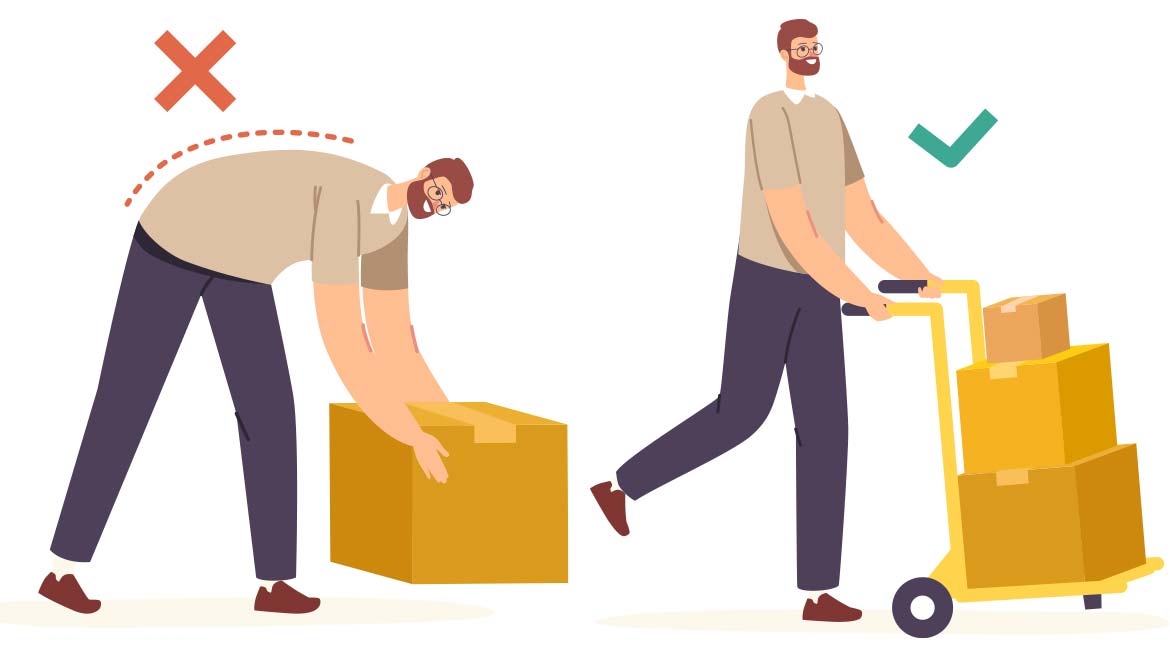
Moving yourself can be a cost-effective option, but it also comes with several potential drawbacks and challenges. Here are some negative aspects to consider when moving yourself:
Moving yourself
Physical Strain: Moving involves heavy lifting, which can strain your body, potentially leading to injuries. Improper lifting techniques can result in back pain, muscle strains, or other physical discomforts.
Time-Consuming: DIY moving requires a significant amount of time and effort. Packing, loading, driving, unloading, and unpacking can be time-consuming, especially for larger moves.
Lack of Expertise: Professional movers have experience and expertise in packing and handling items safely. When you move yourself, you might not be as skilled at protecting your belongings from damage.
Equipment and Supplies: You’ll need to acquire or rent moving equipment like a truck, dollies, straps, and packing materials. This can add to the overall cost and effort of the move.
Risk of Damage: Without professional training and equipment, there’s a greater risk of damaging your belongings during the move. Fragile items may not be as well-protected as they would be with professional movers.
Stress and Fatigue: Moving is a stressful process, and the physical and emotional strain of a DIY move can be overwhelming. It can lead to exhaustion and frustration.
Logistics and Planning: Coordinating the logistics of a move, including determining the right truck size, planning the route, and organizing the timing, can be complex and stressful.
Lack of Insurance: If you damage your belongings while moving yourself, there might not be any insurance coverage to replace or repair them. Professional moving companies typically offer some level of insurance.
No Professional Support: Professional movers have a team of trained individuals to assist with every aspect of the move. When moving yourself, you may not have the same level of support, which can make the process more challenging.
Hidden Costs: DIY moves can have hidden costs, such as fuel, mileage, tolls, and unexpected expenses. These costs can add up quickly.
Limited Accessibility: If you’re moving long-distance, you might face limitations on where you can drop off a rented moving truck or trailer, which could require you to make additional arrangements.
Personal Relationships: Enlisting friends and family to help with a DIY move can strain personal relationships if the process becomes stressful or if items are damaged.
While moving yourself can save money, it’s important to weigh the negatives and positives carefully. If you decide to move yourself, be sure to plan and prepare meticulously, enlist help from friends or family if possible, and take steps to minimize the physical strain and stress associated with a DIY move.
Hiring Professional Movers:
- Efficiency: Professional movers are experienced in handling moves, making the process more efficient and less time-consuming.
- Expertise: Movers are skilled at packing, loading, and transporting items safely, reducing the risk of damage.
- Convenience: Hiring movers can relieve you of the physical and logistical burdens of moving, allowing you to focus on other aspects of your transition.
- Insurance: Most professional movers offer insurance coverage to protect your belongings during the move.
Equipment: Movers have the necessary equipment, including trucks, packing supplies, and tools, which can save you from renting or buying these items.

Book today and get the best experience
OR CALL TODAY: (551) 777-4836